
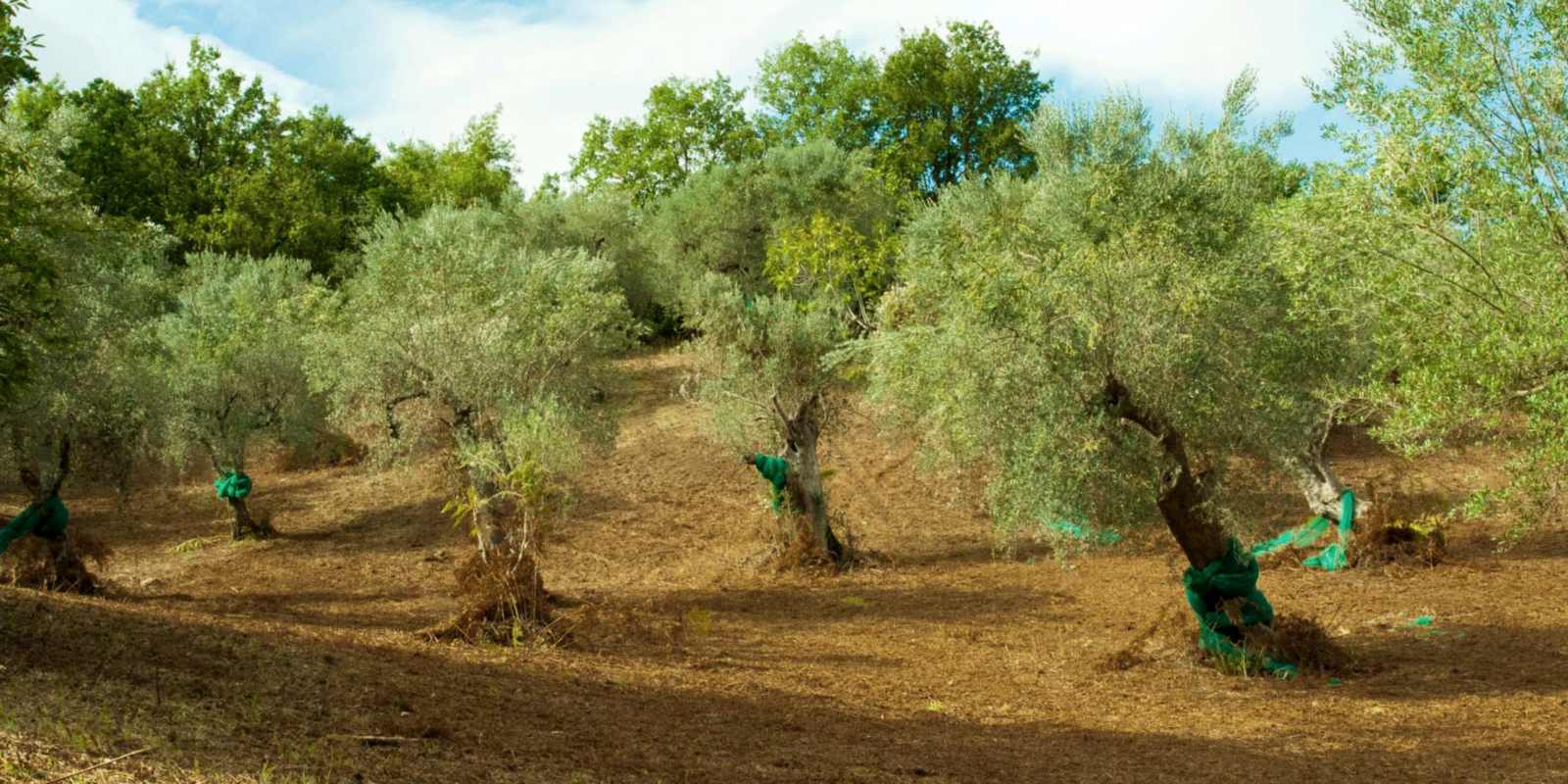
Cilento · half an hour from the Greek temples of Paestum
The land is the future
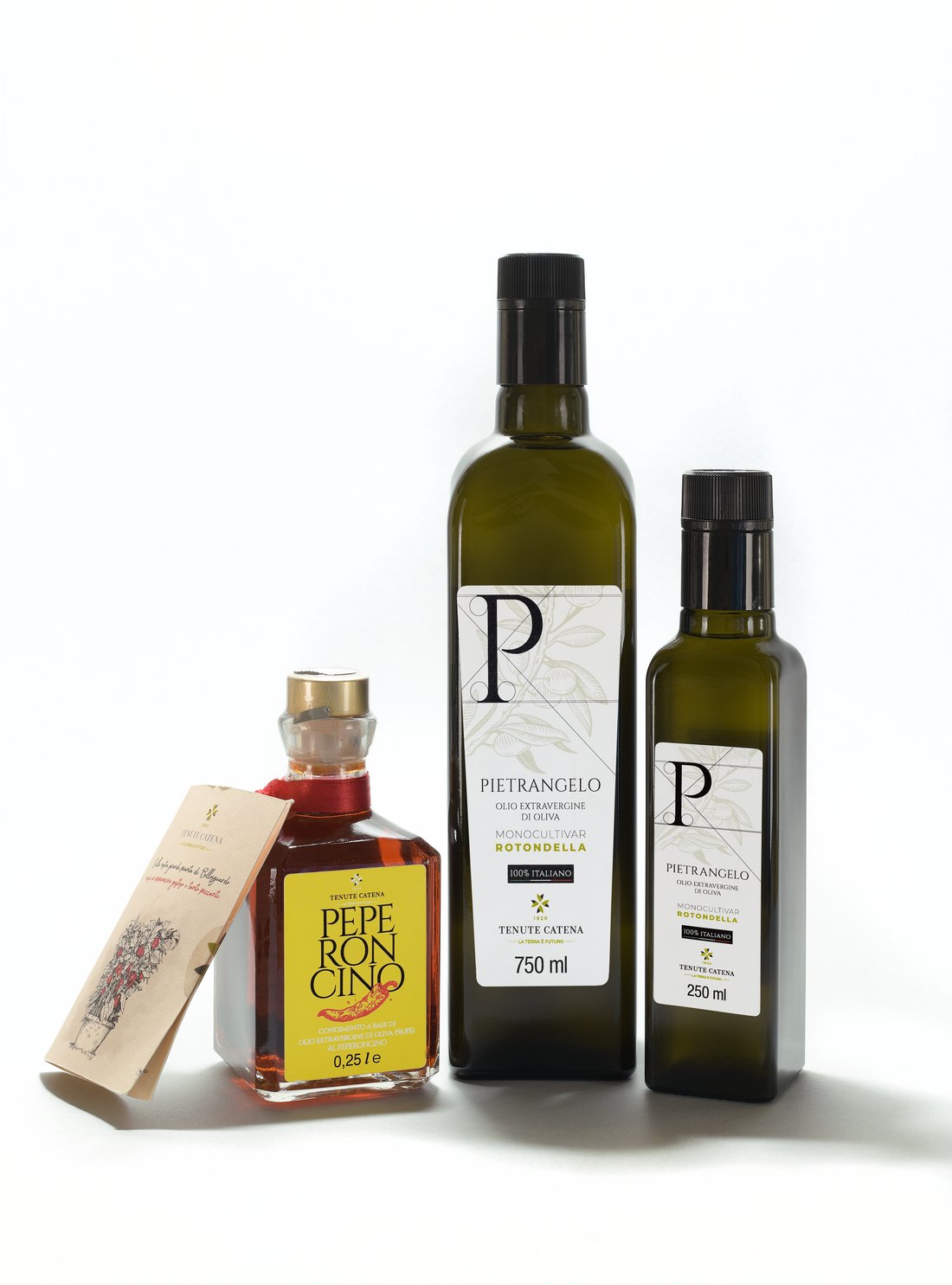
Single-cultivar Rotondella extra virgin olive oil, from groves above 400 metres inside Italy’s Cilento National Park. Picked by hand, cold pressed, bottled where it grows. Nothing else.
The taste that will not fit in your suitcase
Do you remember that bread?
A trattoria with no sign above the door, somewhere between Salerno and the Cilento. Bread still warm, a clove of garlic rubbed across the crust, a thread of green oil poured slowly over it. It was not a recipe. It was three things done properly.
You came home with photographs of the gulf and realised the one thing you had not managed to bring back was that taste. Oil like this never reaches a supermarket shelf: it stays in the villages it comes from. This one comes from Bellosguardo, in the mountains above the Gulf of Salerno. Now it can make the journey in the other direction.
Jacob Philipp Hackert, A Majura in the Gulf of Salerno, 1804. The coast you are coming home from: the Amalfi Coast, on the far shore of the gulf these mountains look out over.
Where it grows
The landscape in your head is a real place
For two hundred and fifty years, northern Europeans who came this way painted the same three things: the gulf, the temples, the mountains. Our olive trees grow in between. These views were painted between 1788 and 1875; the landscape has not changed a great deal since.
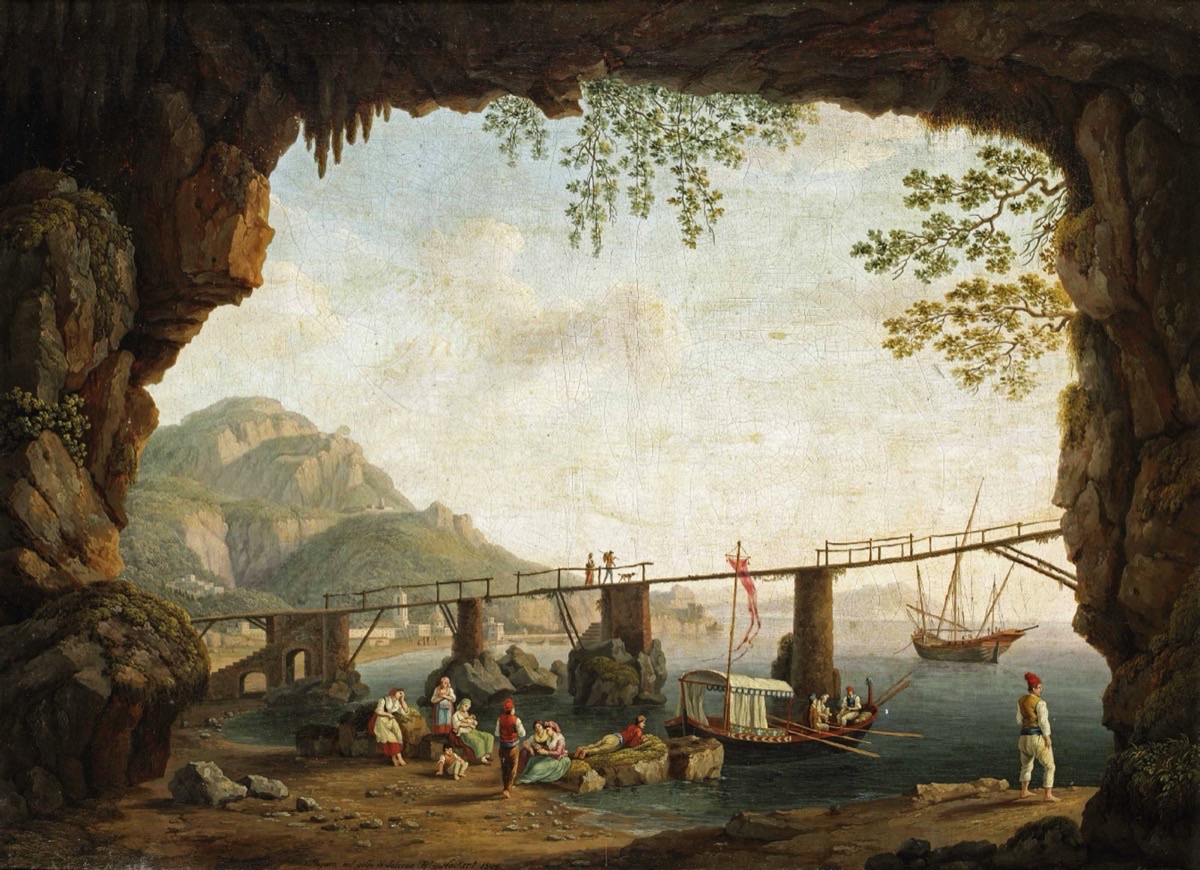
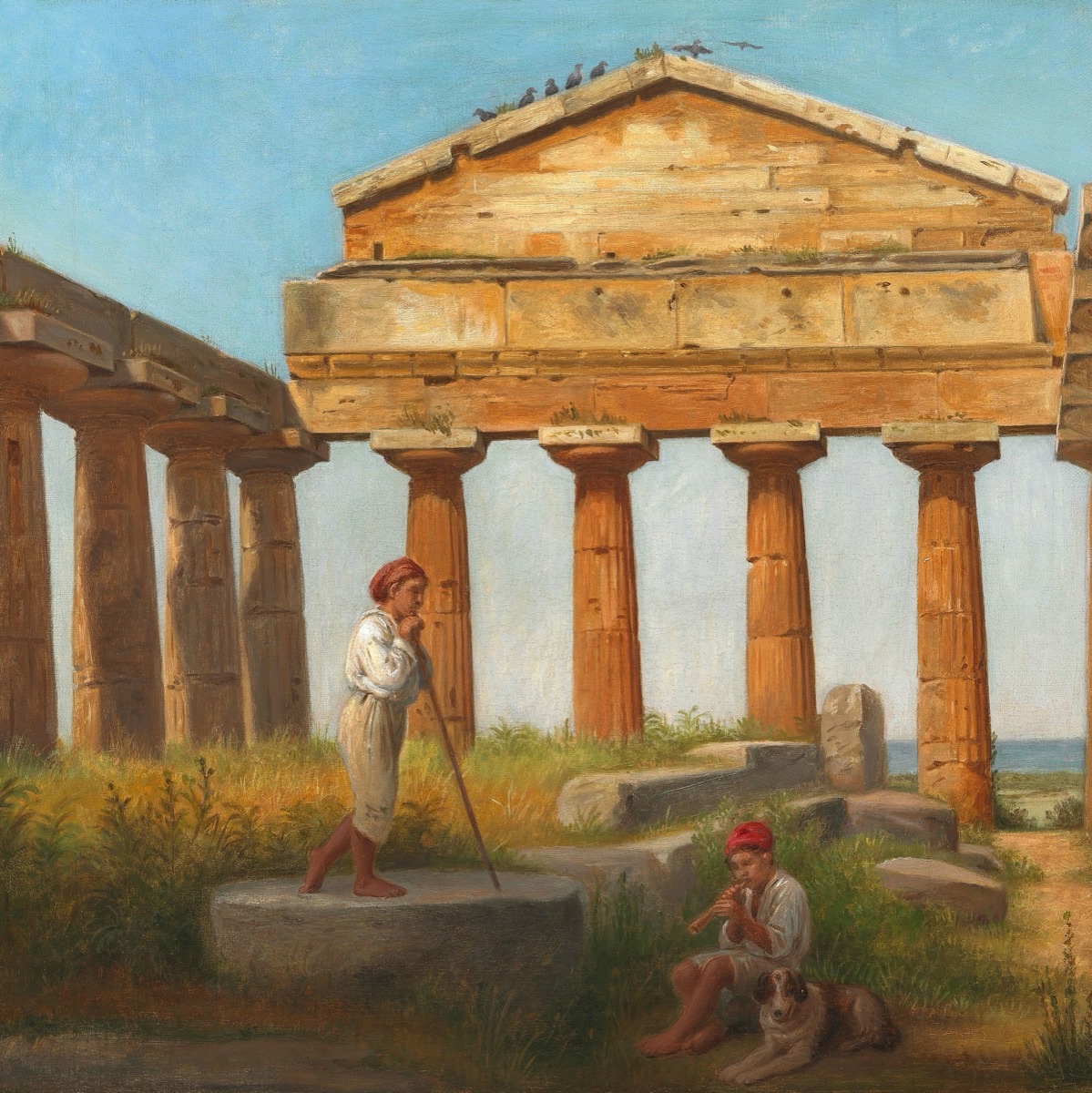
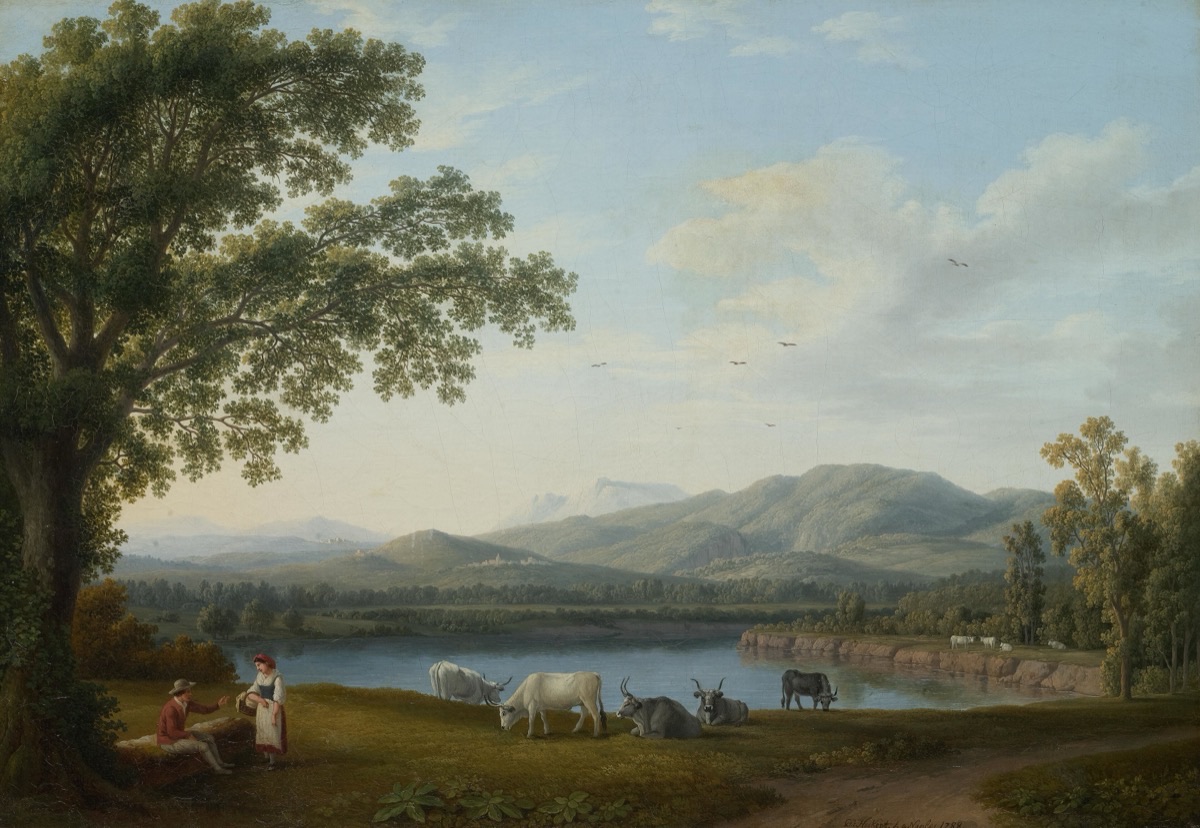
Three public domain paintings. We show them because they describe this place better than any stock photograph could.
Recognition
What the people who tasted it said
«The Best Extra Virgin Olive Oils in Italy 2026» — L’Arcimboldo
Pietrangelo entered the guide with three Brushes in the Excellence category. The entry describes olive fruitiness with marked herbaceous notes, and a sweet, almondy taste with bitterness and pepperiness in perfect balance.
Food Experience Festival, Bellosguardo
First place at the 2025 edition. Not a technical jury: the vote of the people who were there tasting, in the village where the oil is made.
Our harvest
One oil, in the size you need
Featured products
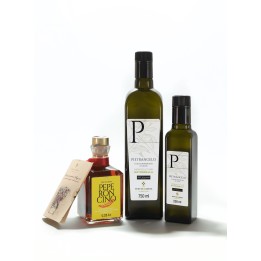
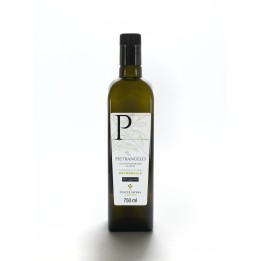
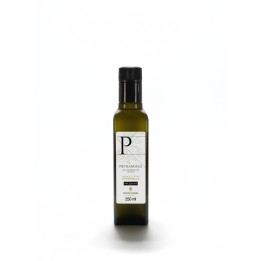
Sensory panel · analysis by ASSAM Marche and IBIMET–CNR
What you are actually tasting
We did not write this profile. It comes from the laboratory assessment carried out on Pietrangelo, and we reproduce it as it stands.
- Colour
- Green with golden reflections, medium-high fluidity.
- Nose
- A balanced aromatic harmony: green olive fruit, artichoke, grass and almond.
- Palate
- Sweet on the attack. Bitterness and pepperiness stay light at the finish, but they linger. The aftertaste is clean, of almond and grass.
- Pairings
- Grilled fish, vegetables, carpaccio. Always raw, poured at the very end.
That bitterness and the catch at the back of your throat are not a flaw: they are the polyphenols. This sample measured 533 ppm, above the Rotondella average of 436. They are the same compounds that keep the oil alive for longer.
The story
The name comes from a pocket watch
Our family name is Pepe, but in Bellosguardo everyone knew us as Catena — Italian for «chain» — after the pocket watch on a gold chain that our great-grandfather Pietrangelo always carried. Back then, almost nobody could afford a piece of gold they did not need.
The village nickname became the name of the farm. Our great-grandfather’s given name went onto the oil bottle. The family surname, in full, went onto the chilli label.
The olive trees, though, were here long before any of us. Rotondella is among the oldest cultivars in Italy, and scholars believe it reached these hills with the Phocaeans — the Greeks who founded Elea, the city of Parmenides, around 540 BC, some thirty kilometres from here. It has remained the most widespread variety in the province of Salerno. Its name comes from the almost spherical shape of the fruit.
— Michele, Grazia, Adolfo and Marianna · Bellosguardo, Italy
Jacob Philipp Hackert, View of the Sele and the Alburni massif, 1788. These are the mountains of Bellosguardo, painted thirty years before the date the mark still carries.
If you come and see us
What lies around it
Bellosguardo was born of a revenge. In 1246 Frederick II razed Fasanella to the ground to punish a baron who had conspired against him; the survivors climbed the hill and founded the village where we are now. Within half an hour there are two places almost nobody expects.
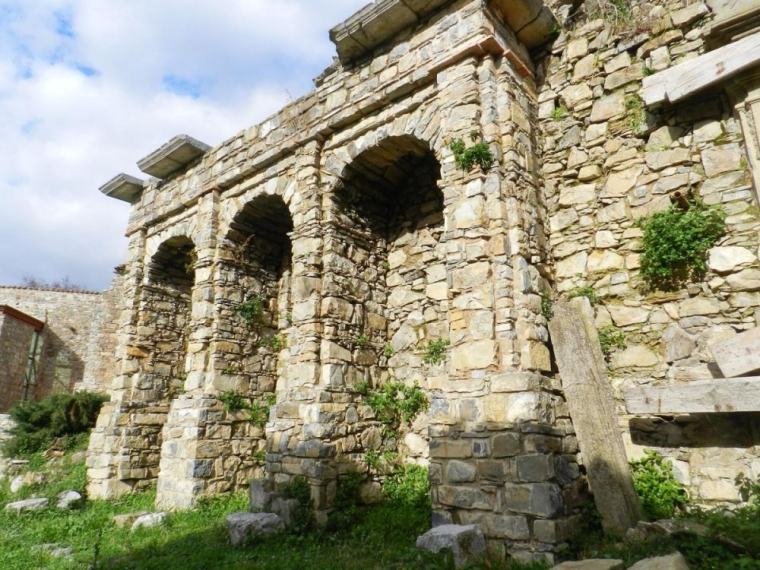
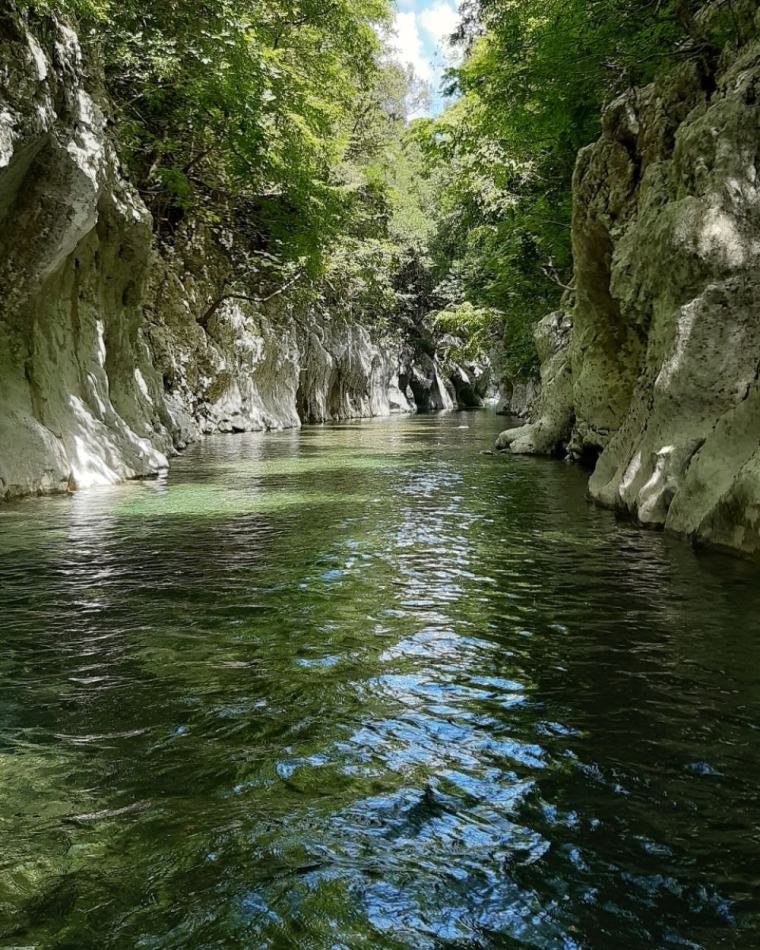
Photographs by others, published under a free licence: the photographer is credited beneath each one.
How it is made
Three steps, no shortcuts
Picked by hand
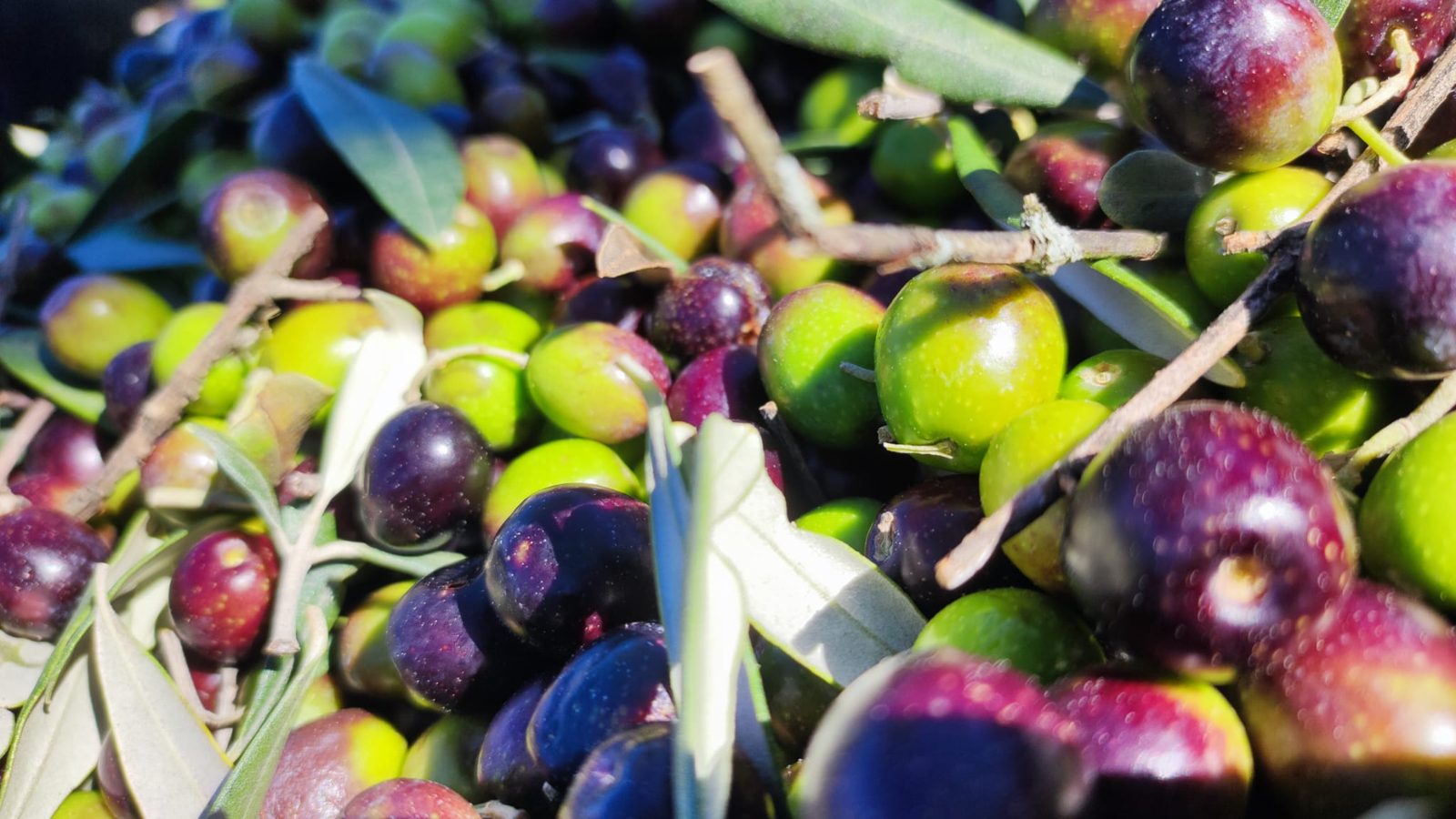
Rotondella olives are picked by hand, one at a time, on the hills of the inland Cilento. It is the slowest way and the only one that does not bruise the fruit.
Cold pressed
The olive paste is never warmed. Heat would yield more oil and yield it faster, but it would burn off precisely what matters: the green fruit, the artichoke, the almond.
A single cultivar
No blending, no cutting. A blend exists to make the taste identical year after year; a single cultivar lets the harvest show through, and gives you a profile you can recognise in return.
The second born, since 2020
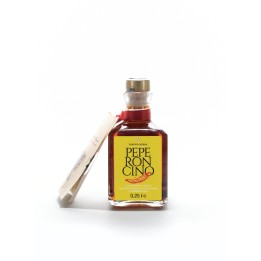
PepeRoncino
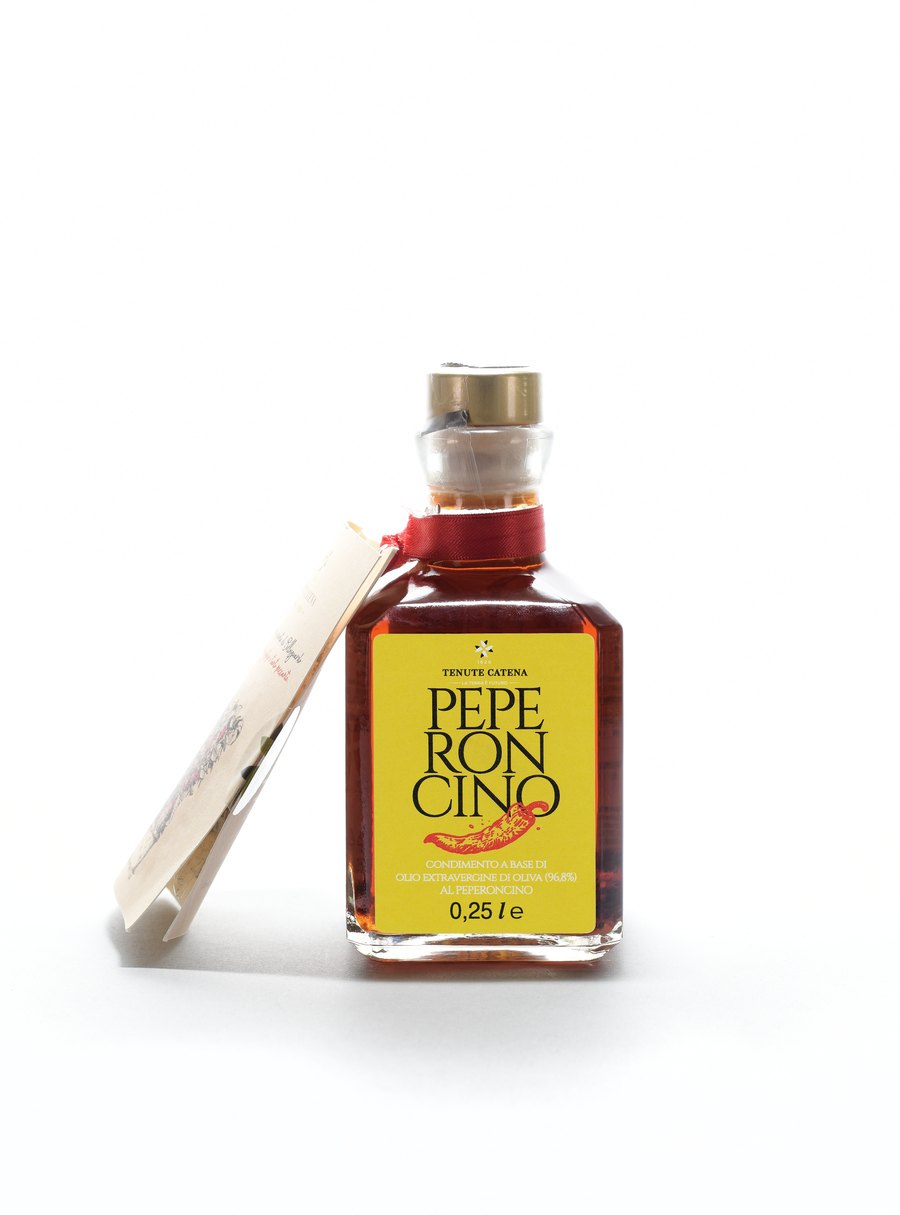
The first four letters of the name are the family surname. It is 96.8% extra virgin olive oil, 2% chilli flavouring and 1.2% chilli. Three ingredients, and nothing else. Firmly hot but civil, made to lift flavours rather than silence them.
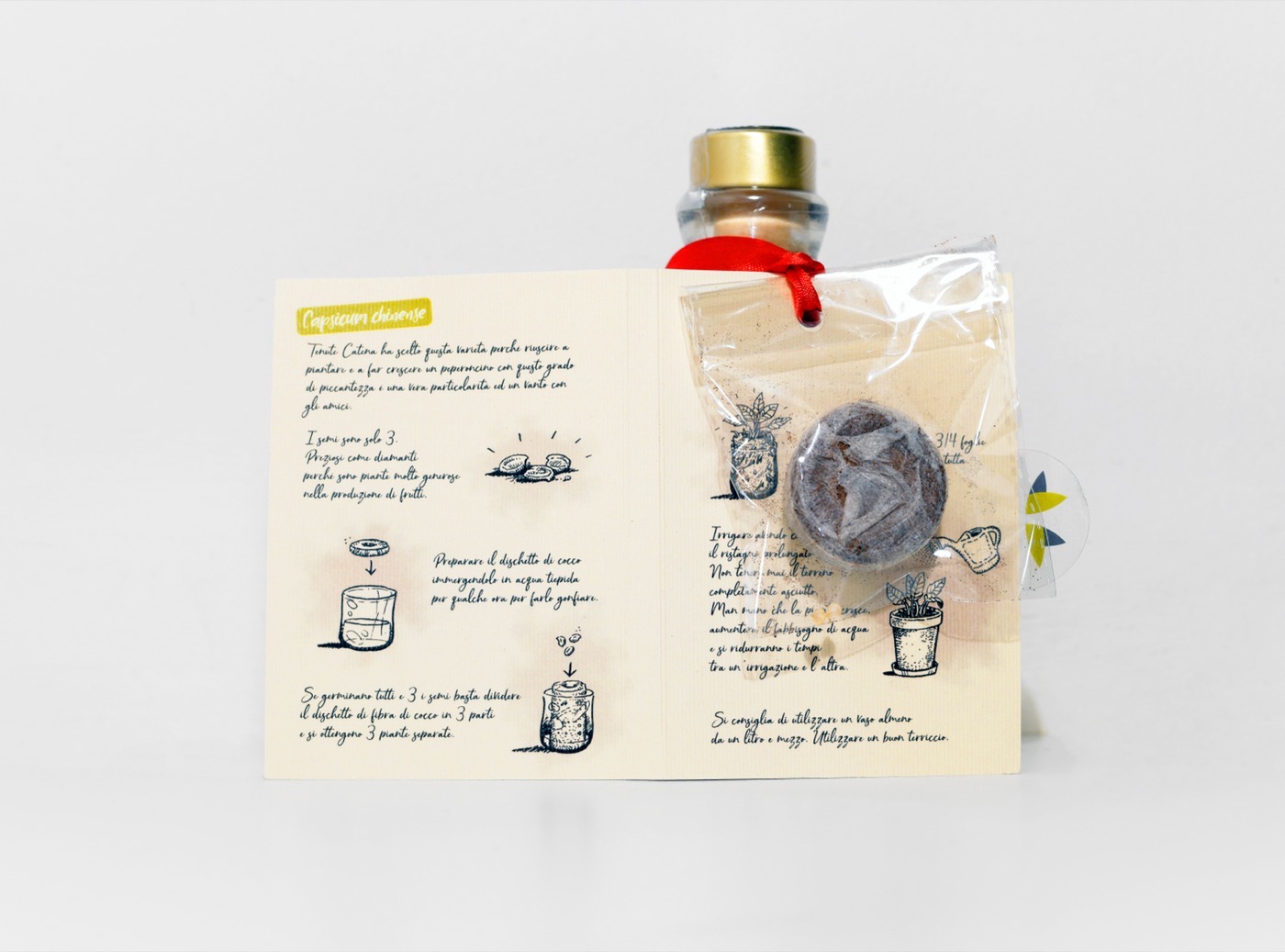
The best part, though, is not the part you eat. Inside the box there is a growing kit: three Capsicum chinense chilli seeds, a coconut fibre disc, and a card illustrated by hand by the artist Raffaele Gerardi with the instructions. You soak the disc in warm water, divide it in three, and three plants grow from it.
It is this family’s way of saying that the product comes from the soil. And that on soil, you can always begin again.
You reach the future through roots that go deep into the earth. Tenute Catena · the mark carries the date 1820
Constantin Hansen, The Temple of Ceres at Paestum, 1875. Less than thirty kilometres from these groves. Scholars believe Rotondella reached this coast with the Greeks who raised those columns.